What each one is actually built around
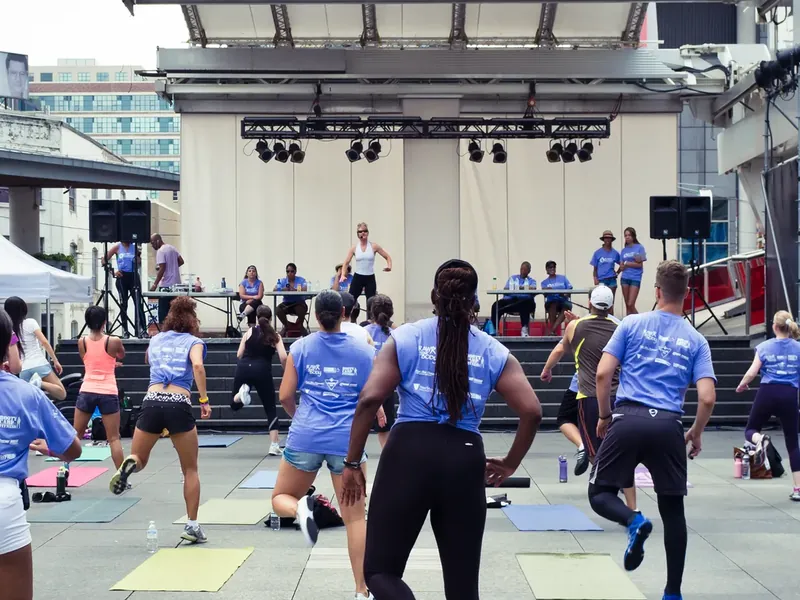
CrossFit combines weightlifting, gymnastics, and cardiovascular training, with workouts ("WODs") built around specific lifts, tracked loads, and skill movements like pull-ups, muscle-ups, and Olympic lifts. Bootcamp is circuit training, covered in full in the what-is-a-bootcamp-workout guide: bodyweight and light-equipment moves performed in timed rounds, with far less emphasis on any single lift or skill.
The four differences that actually matter
Which one actually fits which goal
If the goal is building raw strength, tracked numbers, and you're willing to learn barbell technique, CrossFit's structure gets you there faster because the loading is explicit and progressive. If the goal is general conditioning, fat loss, or you want a format with close to zero technical learning curve before you can train effectively, bootcamp's bodyweight-first structure removes the barrier CrossFit's lift technique creates for a first-timer.
The two aren't mutually exclusive. Someone who starts with the beginner bootcamp circuit to build a base level of conditioning, then moves toward loaded, tracked lifting once bodyweight training stops being challenging, is following a genuinely common and reasonable path, and it's exactly what the advanced progressions guide covers.
Where the two sit on an intensity scale
The American College of Sports Medicine defines moderate-intensity exercise as roughly 64 to 76% of max heart rate and vigorous-intensity as 77 to 95%. A CrossFit WOD built around heavy barbell work and short rest routinely holds the whole session in that vigorous band, because the loaded lifts are the intensity driver by default. Bootcamp's intensity is more elastic: a beginner circuit with 90 seconds of rest between rounds sits closer to the moderate end, while a Tabata-style bootcamp block with 20 seconds of work and 10 seconds of rest reaches the same 77 to 95% zone CrossFit typically operates in. The format doesn't fix the intensity, the work:rest ratio and added load do, in either camp.
Both formats can satisfy the CDC's muscle-strengthening recommendation, all major muscle groups worked on 2 or more days a week, since both load legs, chest, back, and core in the same session: CrossFit through barbell lifts, bootcamp through bodyweight moves and whatever kettlebell or band work gets added.