Lay out the field first
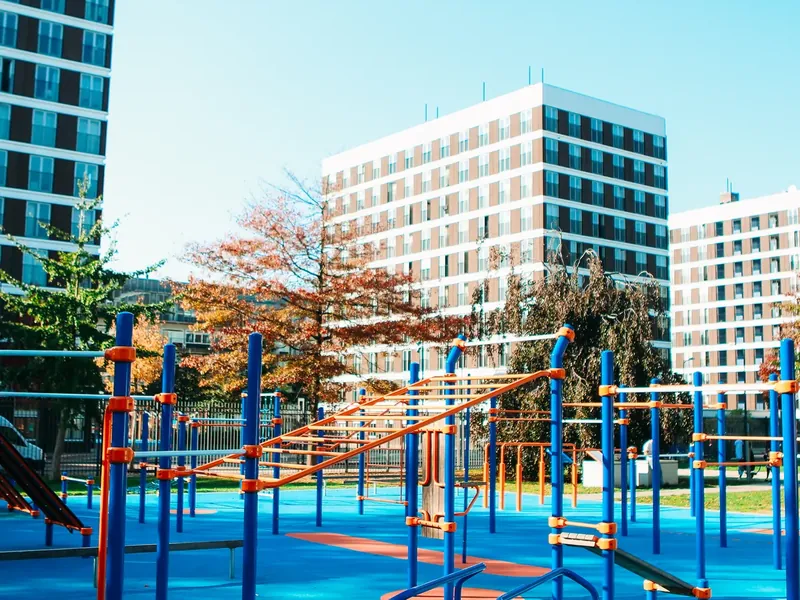
Most outdoor sessions that go wrong go wrong in the first five minutes, while the coach is still placing cones. Set the field before anyone arrives.
Walk the lanes before the session. Holes, sprinkler heads and wet patches are easy to miss from the side and very easy to find at full speed.
Cone games
Games make conditioning feel like something other than conditioning, and a bag of cones is the whole kit.
Cone flip and colour call need a rule against contact: flip a cone, never grab one out of someone's hand. Teams of mixed ability work better than fast against slow.
Relays for teams
Relays build in rest, because each person works only when it is their turn. That makes them a good fit for groups where fitness varies a lot.
Partner drills
Check bands before every resisted run. TheraBand advises inspecting a band for nicks and tears before and after use, and replacing one that is damaged. A band that snaps mid-run comes back fast.
Running a big group
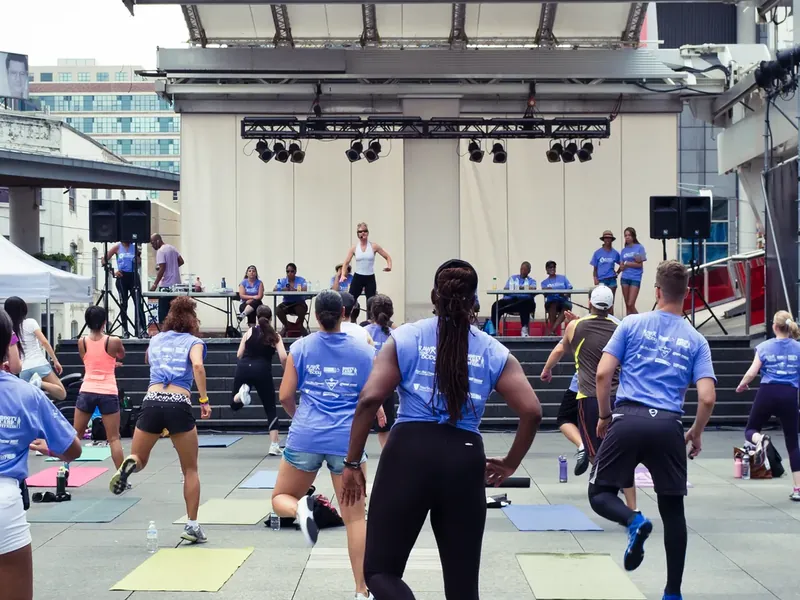
Above about 15 people, one coach cannot watch every rep. Change the structure instead of shouting louder.
- Teams of four, each with a captain who counts reps and starts the relay.
- Wave starts on the sprint lanes, one team per lane, so nobody is running into the back of a slower runner.
- Stations that run on time, not on reps, so the whole group moves at the same whistle.
- One loud signal for stop, agreed before the first drill.
Heat and weather
Heat changes an outdoor group session more than anything else. The CDC's guidance for athletes training in heat is to schedule sessions for the cooler parts of the day, build up over several sessions so people acclimatise, take rest breaks in the shade and drink water before, during and after. In practice that means cutting work intervals, adding a water stop between games, and stopping anyone who feels dizzy or sick.
Wet grass is the other hazard. Shorten sprints to 10 metres on a slippery morning and keep the turns wide.
A 45-minute outdoor session
Put the pieces together and an outdoor group class looks like this: 8 minutes of warm-up with jogging and dynamic stretches, 10 minutes of cone games, a water break, 12 minutes of team relays, 6 minutes of partner drills, then a 7-minute cooldown on the grass. The timings follow the same split as the 45-minute class plans. For a solo version, the outdoor bootcamp program uses a bench and a 20-metre sprint lane. The kit that survives being dragged to the park every week is in outdoor bootcamp equipment, and the stations for the ring, with a park pick of eight, are in bootcamp station ideas.
Frequently asked
What are good outdoor bootcamp ideas for groups?
Cone games such as cone flip and colour call, sprint ladders, team relays at a park bench, and partner drills like shadow sprints and plank high-fives. They use open space and need nothing beyond a bag of cones.
How do you run a bootcamp for a large group?
Split it into teams of four with a captain, run stations on time rather than on reps, start sprint lanes in waves, and agree one stop signal before the first drill.
What equipment do you need for an outdoor bootcamp?
Cones are enough for every game here. Resistance bands, a battle rope and a kettlebell add options, but each has to be carried and checked, so add them one at a time.
How do you keep an outdoor bootcamp safe in hot weather?
Train early or late in the day, build up over several sessions, add water and shade breaks, and shorten work intervals. Anyone dizzy or nauseous stops and cools down.